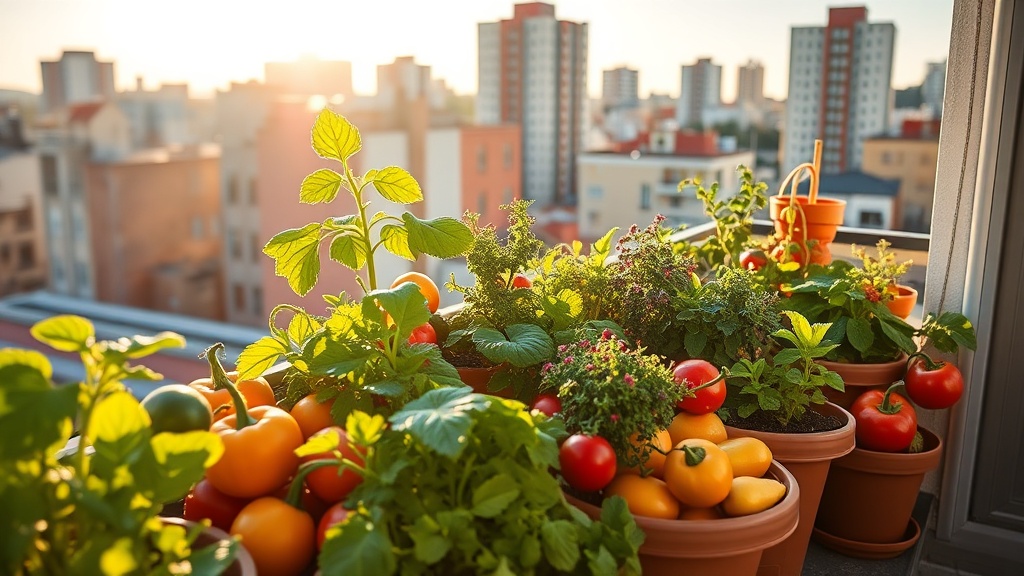
Urban Gardening for Beginners: Growing Vegetables in Small Spaces

Ever looked at a sunny balcony and thought, ‘I could grow food here, but I have no clue where to start?’ You’re not alone. More city dwellers are swapping take‑out for tomatoes, and you can join them without a backyard.
Spring is the perfect time to turn that tiny outdoor nook into a fresh‑food oasis. In this real‑talk guide, I’ll walk you through the basics of urban gardening for beginners, from choosing the right veggies to mastering container soil. By the end, you’ll have a concrete plan to grow tasty, nutritious produce on a balcony, rooftop, or windowsill.
What Are the Biggest Challenges of Gardening in Small Urban Spaces?
Before we dig in, let’s acknowledge the hurdles that make city gardening feel intimidating:
- Limited sunlight: Most apartments get only a few hours of direct sun.
- Space constraints: You’re working with pots, shelves, or railing boxes.
- Wind and temperature swings: Rooftops can get breezy and hot.
- Soil and water management: Containers dry out faster than garden beds.
Knowing these pain points helps you plan a garden that actually thrives.
Which Vegetables Thrive in Small‑Space Urban Gardens?
Not every crop is suited for containers. Here are my go‑to picks for beginners, based on yield, space efficiency, and ease of care:
- Leafy greens (lettuce, spinach, arugula): They grow quickly, need shallow containers, and can be harvested continuously.
- Radishes: Ready to eat in 3‑4 weeks, perfect for window boxes.
- Cherry tomatoes: Compact varieties like ‘Tiny Tim’ or ‘Patio’ fit on balconies.
- Herbs (basil, cilantro, mint): They love pots and provide fresh flavor for every meal.
- Peppers (hot or sweet): They tolerate heat and need only a few inches of soil.
These crops give you a quick win and keep you motivated for larger projects later.
How Do I Choose the Right Containers and Soil?
Containers: Aim for at least 6‑8 inches deep for leafy greens and 12‑18 inches for tomatoes or peppers. Light‑weight fabric pots are great because they breathe and prevent root rot.
Soil mix: A high‑quality potting mix is non‑negotiable. I blend one part compost, one part coconut coir, and one part perlite for drainage and nutrient retention. Avoid garden soil—it’s too dense for containers.
Pro tip: Add a slow‑release organic fertilizer (e.g., 10‑10‑10) at planting time, then feed every 4‑6 weeks with a liquid feed.
What Sunlight Exposure Do My Plants Really Need?
Most vegetables need at least 4‑6 hours of direct sunlight daily. If your balcony faces north, consider growing shade‑tolerant greens like kale or lettuce, and use reflective surfaces (old mirrors, white boards) to bounce extra light onto the plants.
For rooftops that get full sun, watch for heat stress. A simple shade cloth draped over the top third of the container during the hottest afternoon hour can keep temperatures down.
How Do I Water My Container Garden Effectively?
Containers dry out fast, especially on sunny balconies. Here’s a quick watering routine:
- Check moisture daily: Stick your finger 2 inches into the soil. If it feels dry, water.
- Water deeply: Pour until water runs out the drainage holes—this encourages roots to grow deeper.
- Use self‑watering pots or a drip system: A 1‑liter bottle with a small hole can provide steady moisture for weeks.
- Mulch with straw or shredded newspaper: It slows evaporation.
Avoid over‑watering; soggy soil leads to root rot.
How Can I Protect My Garden From Wind and Pests?
City wind tunnels can topple pots. Secure containers with brackets or place them against a wall. For pests, a simple spray of diluted dish soap (1 teaspoon per quart of water) deters aphids and spider mites without harming beneficial insects.
What’s a Simple Step‑by‑Step Plan to Launch My First Urban Garden?
Follow this three‑week starter plan:
- Week 1 — Prep: Choose a sunny spot, gather containers, buy potting mix, and select seed packets (lettuce, radish, herbs).
- Week 2 — Plant: Fill containers, sow seeds at the depth indicated on the packet, water gently, and label each pot.
- Week 3 — Care: Begin the watering routine, monitor sunlight, and thin seedlings as needed (keep strongest plants).
Within a month you’ll be harvesting baby greens and radishes—proof that even a modest balcony can feed you.
Where Can I Find More Urban Gardening Resources?
- USDA Urban Agriculture Toolkit — Free guides on container soil, pest management, and community garden start‑ups.
- Farmer’s Almanac: Urban Gardening 101 — Seasonal planting calendars for city growers.
- The Nature Conservancy’s Urban Gardening Hub — Tips on sustainability and pollinator‑friendly planting.
Takeaway: Your First City Garden Is Just a Few Steps Away
Urban gardening isn’t a lofty, expensive hobby—it’s a practical, affordable way to claim fresh food in a cramped city life. Pick a sunny corner, grab a few pots, sow easy‑grow veggies, and watch your balcony turn into a miniature farm. As you harvest, you’ll feel the direct action I champion: turning personal space into a site of resistance against food deserts and waste.
Ready to get your hands dirty? Start with the three‑week plan above, share your progress on social media, and tag @FeministFocus so we can celebrate your harvest together.