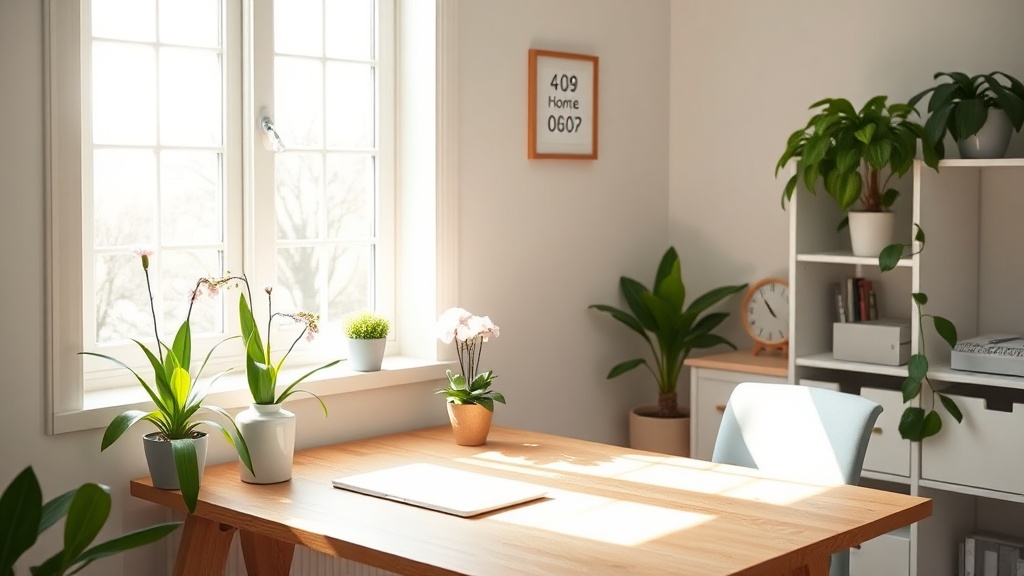
Spring Refresh: Biophilic Design Tips for a Calm, Productive Home Office

Ever feel like your home office is a concrete bunker? Imagine swapping that steel‑gray vibe for a bright, plant‑filled nook that actually makes you want to sit down and get work done.
That’s the promise of biophilic design – a science‑backed way to bring nature indoors, and it’s perfect for a spring refresh. Below, I’ll walk you through affordable, actionable steps to turn your workspace into a calm, productivity‑boosting sanctuary.
What is biophilic design and why does it matter?
Biophilic design is the intentional integration of natural elements—plants, daylight, organic materials—into built environments. Studies from the Global Wellness Institute and peer‑reviewed research in Scientific Reports show that exposure to indoor greenery can reduce stress and boost productivity. In short, a little green goes a long way for your brain.
How can I add plants without breaking the bank?
- Start small. A potholder‑sized spider plant or a trailing pothos costs under $10 and thrives in low light.
- Propagate. Many houseplants produce cuttings you can root in water for free. My own pothos started from a single leaf you can snag at a friend’s place.
- Swap with a neighbor. Offer to trade cuttings; it builds community and fills your desk with variety.
Where should I place my new greenery for maximum impact?
Position plants where you’ll see them most often—on the desk, a nearby shelf, or a windowsill. A tall fiddle‑leaf fig behind your chair creates a natural backdrop for video calls, while a trailing pothos draped over a monitor adds a touch of softness.
How do I maximize natural light without overheating the room?
Sheer curtains let diffused sunlight flood the space while cutting glare. If you lack windows, a full‑spectrum LED lamp mimics daylight and has been shown to improve mood (see the Integris Health study).
What sustainable materials can I swap into my office?
- Wooden desk. Reclaimed or bamboo desks add warmth and are eco‑friendly.
- Recycled desk accessories. Look for pens, trays, and organizers made from post‑consumer plastic.
- Natural textiles. Swap a synthetic rug for a jute or wool mat—soft underfoot and biodegradable.
How does a spring refresh fit into my overall well‑being routine?
Pair your new office vibe with a quick bio‑harmony reset—adjust lighting, set a consistent wake‑time, and you’ll notice a smoother workflow. And if you’ve been decluttering your sleep environment, you’ll find the mental clarity carries over to your desk.
Takeaway: Your spring office makeover in three steps
- Pick one low‑cost plant and a spot for it.
- Swap one synthetic decor piece for a reclaimed or natural alternative.
- Introduce a source of natural light—sheer curtains or a full‑spectrum lamp.
Do these, and you’ll notice less stress, sharper focus, and a workspace that feels like a breath of fresh spring air.
Related Reading
- Celebrate St. Patrick’s Day Sustainably – ideas for low‑impact holiday décor you can repurpose in your office.