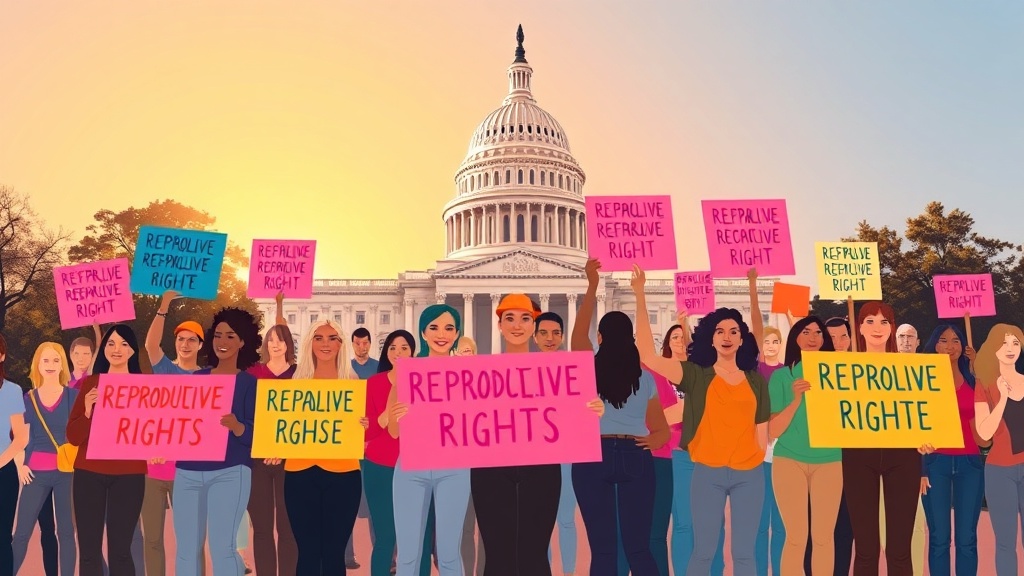
5 Concrete Tactics to Turn the New Reproductive Rights Act into Grassroots Power

Why the New Federal Reproductive Rights Act Needs Grassroots Muscle
Just when you thought the legal battle was over, the new federal reproductive rights act landed on the books, reshaping the terrain for activists. In Women's History Month, the stakes are higher than ever, and the difference between a law that looks good on paper and one that actually protects bodies comes down to what we do next.
What’s the Act Really Saying?
The legislation, signed on March 1, 2026, claims to protect access to abortion and contraception, but it also embeds loopholes that let states impose waiting periods, mandatory counseling, and even partial bans on medication abortions. Read the official bill text for the full language.
How Can You Turn Policy Into Power?
Below are five concrete tactics you can roll out this week. Each step is designed for organizers who already have a network and need a clear game plan.
1. Map the Loophole Landscape in Your District
Use the district‑mapping guide we published earlier to pinpoint which counties have adopted the most restrictive provisions. Create a simple spreadsheet with three columns: County, Loophole (e.g., 48‑hour waiting period), and Immediate Impact (e.g., “delays care for low‑income patients”).
2. Build a Rapid‑Response Script for Legislators
When a state senator’s office calls, you need a concise, data‑driven script. Include three elements:
- A brief reminder of the federal act’s intent.
- One local statistic that shows the loophole’s harm (e.g., “Last year, 2,300 women in District 7 traveled over 150 miles for a medication abortion”).
- A clear ask: “Support House Bill 567 to prohibit state‑level waiting periods.”
We keep a public script library at the ACLU that you can copy and customize.
3. Organize a “Lobby‑Lite” Pop‑Up in Public Spaces
Set up a table at a farmer’s market, community college, or even a busy subway station. Bring printed one‑pagers that explain the act’s loopholes in plain language and a QR code that links to a ready‑made call‑to‑action petition. Aim for at least 30 signatures per pop‑up; that number becomes a persuasive metric when you report back to elected officials.
4. Leverage Social Media “Story‑Chains”
On Instagram and Threads, start a story chain with the hashtag #ActIntoAction. Prompt followers to post a 15‑second video explaining why they care about the act, then tag three friends to keep the chain moving. The algorithm loves rapid, authentic content, and the chain creates a visual pressure map that journalists love to cite.
5. Hold a Monthly “Policy‑to‑Practice” Roundtable
Invite a legal analyst, a frontline health provider, and a community organizer for a 60‑minute Zoom. Use the roundtable to translate the act’s clauses into everyday scenarios (e.g., “What does a 48‑hour waiting period mean for a college student in a rural county?”). Record the session, trim it to a 5‑minute highlight reel, and post it on your newsletter and YouTube channel.
What’s the Bottom Line?
The new act is a reminder that every win in the legislature is only half the battle. By mapping loopholes, equipping yourself with scripts, and turning data into public pressure, you can keep the momentum alive. Pick one of the five tactics above, set a deadline for this week, and watch the ripple effect grow.
Takeaway Checklist
- ✅ Map your district’s loopholes by Friday.
- ✅ Draft a rapid‑response script and share it with your team.
- ✅ Schedule at least one pop‑up lobby‑lite event for next week.
- ✅ Launch a #ActIntoAction story‑chain today.
- ✅ Book a policy‑to‑practice roundtable for the end of the month.
When you turn policy into power, the act’s loopholes become a rallying point, not a roadblock.
Steps
- 1
Map the loophole landscape
Use the district‑mapping guide to identify county‑level restrictions and document them in a spreadsheet.
- 2
Build a rapid‑response script
Create a concise, data‑driven script for contacting legislators, including local impact stats and a clear policy ask.