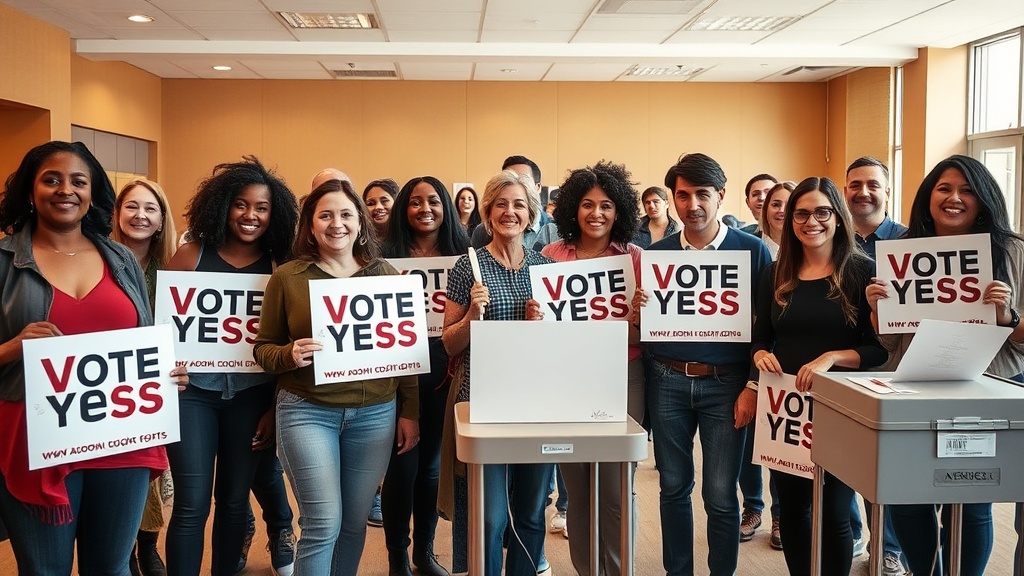
Supreme Court Voting Rights Ruling: A Guide for Organizers

Did the Supreme Court just hand the 2026 midterms a power boost for the right‑wing? The answer is a resounding yes, and the ripple effects will hit every grassroots campaign fighting for reproductive justice, labor rights, and climate equity.
What exactly did the Court decide?
On March 2, 2026 the Court issued a narrow but consequential ruling in Mirabelli v. Bonta, upholding the New York congressional map that keeps a Republican‑held district intact. The decision sidesteps a broader challenge to the Voting Rights Act (VRA) that could have forced nationwide redraws of districts with histories of racial gerrymandering.
Why should feminist organizers care?
The VRA has been a cornerstone for protecting the political power of marginalized communities—especially women of color who rely on fair districts to elect allies for reproductive rights, childcare subsidies, and pay equity. By refusing to expand federal oversight, the Court leaves the door open for state legislatures to lock in maps that dilute these voices.
How does this impact the upcoming 2026 midterms?
With the map for New York’s 11th district locked, the GOP incumbent is poised for a safe seat. That means fewer progressive seats to push forward legislation on the Reproductive Rights Act, the Pink Tax fight, and other feminist priorities. In swing states like Pennsylvania and Michigan, the same logic could be used to keep minority‑majority districts intact, curbing the chances for progressive challengers.
What can organizers do right now?
- Audit your district’s map. Use tools like Voting Info Project to see if your precinct is being split.
- Mobilize a rapid‑response coalition. Partner with groups that focus on reproductive justice and labor rights to amplify the voting‑rights narrative.
- File local challenges. Even without a federal VRA claim, many states allow lawsuits alleging violations of state voting‑rights statutes.
- Leverage the media. Write op‑eds that connect the dots between district maps and concrete outcomes—like whether a state will fund a women’s health clinic.
What’s the timeline?
The next major VRA‑related case is slated for the Supreme Court’s October conference. In the meantime, primary elections across the country will be decided under the new map. That makes the next few weeks critical for organizing voter‑registration drives, canvassing, and pushing state legislators to adopt fair‑map reforms.
How can we protect hard‑won gains?
Remember the mantra from our "Invisible Labor" series: the work of building power never stops. Here are three concrete steps:
- Form a Voting Rights Action Team within your existing mutual‑aid network. Assign roles for research, outreach, and legal assistance.
- Integrate a VRA briefing into every community meeting—use simple visuals that show how a skewed district can silence a neighborhood’s voice on issues like childcare subsidies.
- Create a quick‑call script (see our organizer’s toolkit) that volunteers can use when contacting local officials about map fairness.
Takeaway
The Supreme Court’s decision isn’t the end of the story; it’s a call to action. By turning a courtroom win for a single incumbent into a broader movement for fair maps, feminist organizers can safeguard the legislative battles that matter most—from protecting abortion access to closing the gender pay gap.
Frequently Asked Questions
- What is the Voting Rights Act? A 1965 federal law that bans racial gerrymandering and requires pre‑clearance for changes to voting procedures in jurisdictions with histories of discrimination.
- Will the Court’s decision affect state‑level maps? Yes. By limiting federal oversight, the ruling empowers state legislatures to set maps without VRA scrutiny, potentially entrenching partisan advantages.
- How can I get involved? Join the Feminist Mutual Aid network, sign up for our newsletter, and attend the next virtual town hall on voting‑rights strategy.
Related Reading
- Before the Megaphone: The Invisible Labor of Women’s Organizing — How unpaid organizing work fuels feminist movements.
- 5 Best Platforms for Feminist Mutual Aid in 2026 — Digital tools to coordinate fundraising and volunteer work.
- The Wage Gap Is Getting Worse—But We Just Got a New Weapon — New policy levers for pay equity.