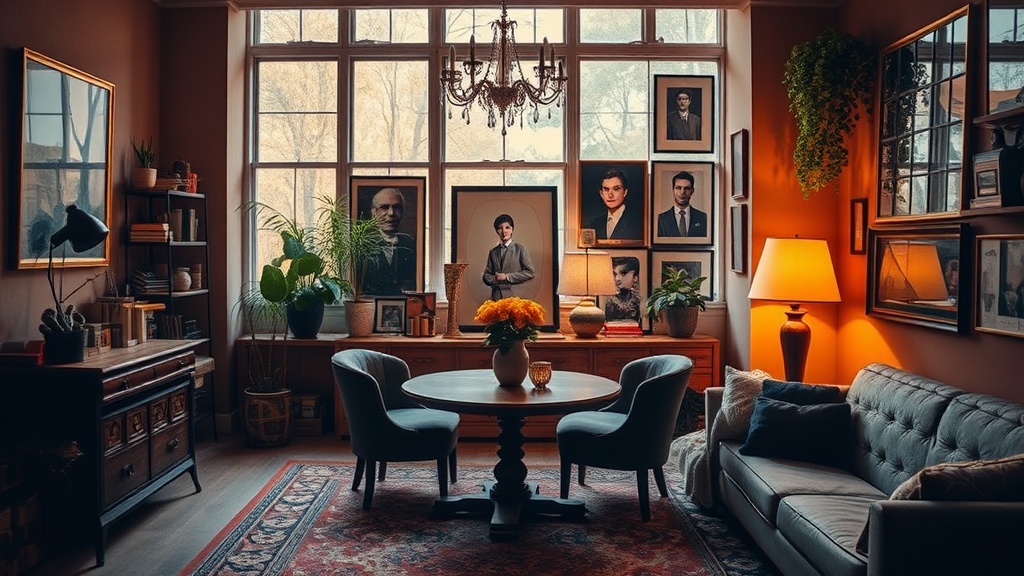
The Hidden Cost of the 'Perfectly Curated' Aesthetic

We're told that a curated life is a successful life. The prevailing logic suggests that if you can just organize your spice rack by color, find the perfect neutral linen set, and maintain a digital presence that looks effortless, you've finally achieved peace. But there is a massive gap between a curated aesthetic and a functional life. We often mistake visual cohesion for mental clarity, when in reality, the pursuit of a specific 'look' is often just another form of unpaid emotional labor that keeps us from actually living.
The obsession with a singular, cohesive aesthetic—whether it's 'cottagecore,' 'minimalism,' or 'clean girl'—isn't just a harmless hobby. It's a system that demands constant upkeep. It creates a standard of living that is often unattainable for anyone who doesn't have a massive surplus of time and disposable income. When we talk about the pressure to look 'put together,' we aren't just talking about clothes; we're talking about the pressure to perform a version of stability that doesn't actually exist for most of us.
Is the minimalist lifestyle actually a luxury?
The minimalist movement is frequently marketed as a way to find freedom, but for many, it's actually a way to signal status. The ability to own very few things—and to have those things be high-quality, neutral-toned, and aesthetically pleasing—requires a significant amount of wealth. You can't have a 'minimalist' home if you can't afford to replace your cluttered, mismatched items with a single, expensive ceramic vase. This isn't just about interior design; it's about the way class divides us even in our most private spaces.
When a social media feed shows a perfectly white apartment with zero clutter, it's omitting the reality of the labor required to keep it that way. It ignores the person who has to clean, the person who has to shop specifically for those items, and the person who simply doesn't have the space to be 'minimalist.' This aesthetic creates a false baseline for what a 'normal' home looks like, making anyone with a cluttered desk or a pile of laundry feel like they are failing at adulthood. It's a way of turning domesticity into a competitive sport.
Why does social media make me feel behind?
The algorithm thrives on perfection because perfection is easy to categorize. A person living a messy, complex, multifaceted life is hard to turn into a 15-second clip. To stay relevant, creators often lean into a specific 'vibe' that can be easily consumed. This creates a feedback loop: we see the curated version of life, we feel a sense of inadequacy, and then we attempt to purchase the pieces required to replicate that life. It's a cycle of consumption disguised as self-improvement.
The psychological toll of this constant comparison is real. We aren't just comparing our lives to others; we're comparing our internal, messy realities to someone else's highly edited, polished highlights. This is why you might feel a sense of dread when opening certain apps. It's not just 'doomscrolling'—it's the subconscious recognition that the standard being presented is an impossibility. If you're feeling the need to constantly 'fix' your life to match a digital trend, you aren't failing; you're reacting to a system designed to make you feel incomplete.
Can I find a balance between style and reality?
Finding a middle ground means rejecting the idea that your identity is a collection of products. A meaningful relationship with your surroundings and your personal style should serve you, not the other way around. If a certain way of living—be it a specific fashion trend or a home organization method—requires you to spend more time managing it than enjoying it, it's time to reconsider that choice. Your home should be a place where you can exist, not a museum where you are the curator.
Try these practical shifts to reclaim your space:
- Prioritize function over 'vibes': If a chair is comfortable but doesn't match your 'aesthetic,' keep it. Comfort is a practical necessity; a color palette is a choice.
- Embrace the 'clutter' of a lived-in life: A pile of books on a nightstand or a stack of mail on a counter isn't a failure of character. It's evidence of a person actually using their space.
- Audit your digital intake: If certain accounts make you feel like your life is 'wrong' or 'unorganized,' unfollow them. You aren't being a bad person; you're protecting your peace.
Real life is rarely beige. It's colorful, it's loud, and it's often quite disorganized. When we stop trying to curate our lives for an invisible audience, we actually start living them. We move from performing a version of ourselves to simply being ourselves, which is far more sustainable and, honestly, much more interesting.
For more perspectives on how digital culture impacts our mental well-being, check out the resources at Psychology Today. If you are looking into the economic side of consumerism and how it dictates our social standards, the Pew Research Center offers excellent data on social trends and digital habits.