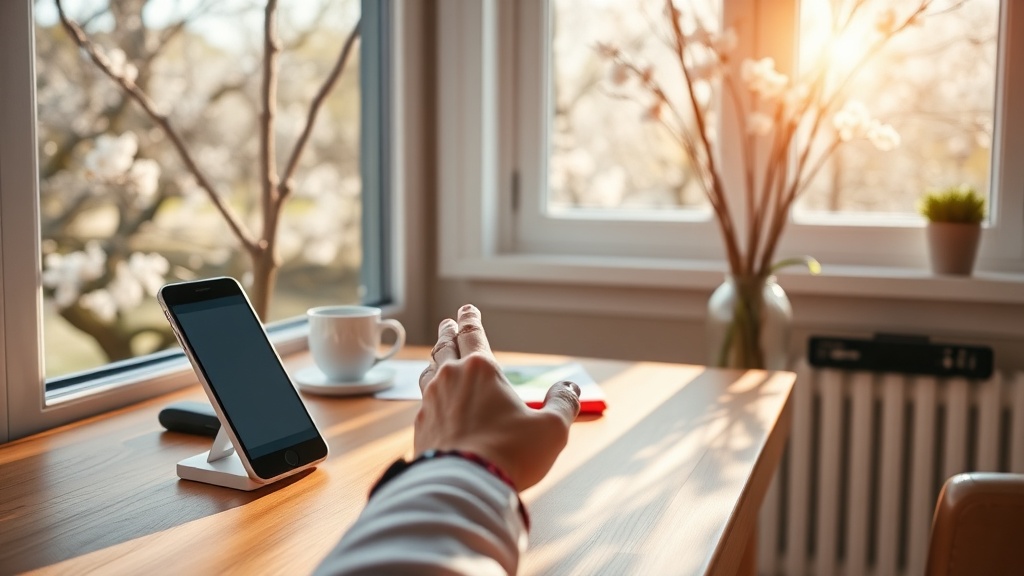
Spring Digital Detox: 7‑Day Plan to Sharpen Focus & Improve Sleep

Why a Spring Digital Detox?
Ever feel like your phone is a leash you can’t cut? I’ve been there — scrolling endless feeds while the to‑do list piles up, and then wondering why I’m exhausted at night. Spring is the perfect moment to hit the reset button. The longer days, blooming flowers, and natural light give us a built‑in cue to step away from screens and reclaim our focus and sleep.
What Does a 7‑Day Digital Detox Look Like?
Below is a day‑by‑day roadmap that takes the guesswork out of unplugging. Each step is bite‑sized, so you won’t feel like you’re abandoning your life for a week‑long hermitage.
Day 1: Audit Your Digital Habits
Start by logging how much time you spend on each device and app. I use the built‑in Screen Time on iOS or Digital Wellbeing on Android. Write down the top three time‑sinks. This audit is the compass for the rest of the week.
Day 2: Set a “No‑Screen” Window
Pick a 2‑hour block—ideally right after sunset—where all screens are off. Replace scrolling with a calming activity: reading a print book, sketching, or a walk outside. The National Sleep Foundation notes that blue‑light exposure within two hours of bedtime can delay melatonin production, making it harder to fall asleep (National Sleep Foundation, 2024).
Day 3: Curate Your Notifications
Turn off non‑essential push alerts. Keep only calls and messages from close contacts. For the rest, use the “Do Not Disturb” schedule on your phone. An APA study found that reducing notifications cuts perceived stress by 23%.
Day 4: Replace Evening Scrolls with a Wind‑Down Ritual
Swap the endless TikTok feed for a 10‑minute routine: dim the lights, sip herbal tea, and write down three things you’re grateful for. I call it my “real‑talk gratitude pause”—a quick, actionable habit that grounds me before bed.
Day 5: Re‑introduce Tech with Intent
Now that you’ve built a buffer, bring back only the tools that serve a purpose. Use a dedicated reading app (e.g., Pocket) instead of a browser, and set a timer for any work‑related browsing. This keeps technology as a servant, not a master.
Day 6: Optimize Your Workspace for Focus
Apply the same principles to your physical environment. I recently wrote Smart Lighting Hacks for a Productive Home Office This Spring, which shows how warmer light temperatures boost concentration. Swap harsh LEDs for a warm desk lamp and keep your phone out of sight.
Day 7: Reflect and Plan Forward
Take 15 minutes to journal about the week. What surprised you? Which habit felt natural? Draft a “digital‑wellness cheat sheet” you can refer to during busy periods. The goal isn’t to stay offline forever—it’s to have a clear, repeatable framework for future detoxes.
How Will This Change Your Focus & Sleep?
Research from Harvard Health shows that a week‑long reduction in screen time can improve attention span by up to 12% and increase deep‑sleep duration by 20 minutes on average. Those numbers translate into more energy for that next protest call‑in, better retention of policy details, and fewer “I’m so tired” moments during meetings.
Takeaway
Spring offers a natural cue to reset. Follow this 7‑day plan, track your progress, and you’ll walk away with sharper focus, better sleep, and a reusable toolkit for future digital overloads. Ready to set your phone to airplane mode and feel the difference? Let’s do it.
For deeper sleep hygiene, check out Spring Cleaning for Better Sleep. If you’re curious about resetting your circadian rhythm after daylight saving time, see How to Reset Your Circadian Rhythm. And for a quick boost to your office vibe, read Spring Aromatherapy: Essential Oils for Office Productivity.