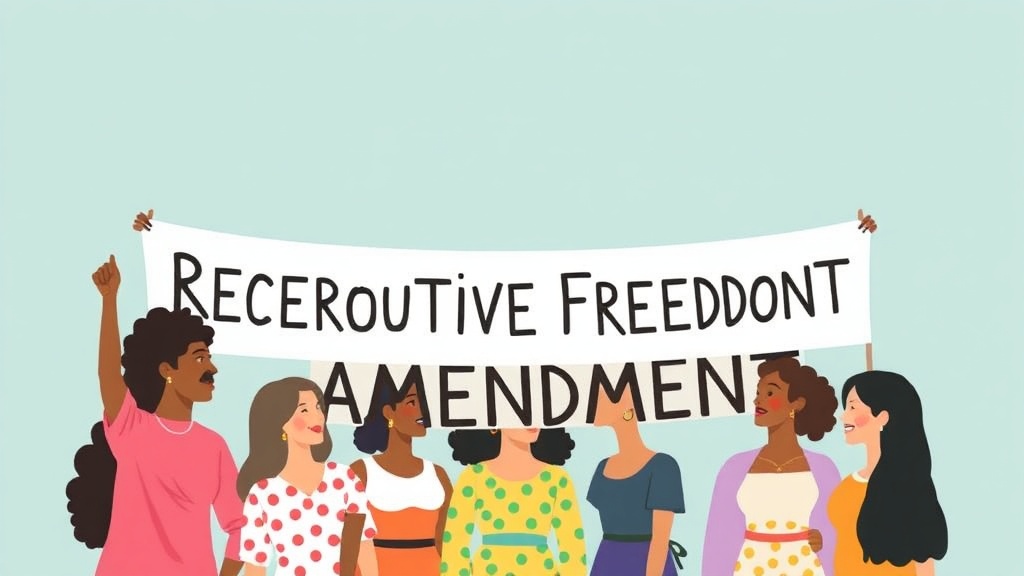
Reproductive Freedom Amendment Guide: What It Means and How to Take Action

What is the Reproductive Freedom Amendment and why should you care?
On March 23, 2026, Representative Abigail Spanberger signed a proposed constitutional amendment guaranteeing reproductive freedom. In plain language, it says every person—regardless of gender identity, age, or income—has the right to make decisions about their own body without government interference. That’s real talk that could reshape everything from clinic access to insurance coverage.
How does the amendment differ from the 2025 Reproductive Rights Act?
The 2025 Act was a statutory fix; it could be repealed or weakened by a future Congress. A constitutional amendment, however, sits at the top of the legal hierarchy—meaning it can’t be undone without another amendment. In other words, it’s a permanent shield for reproductive autonomy.
Who benefits most from this amendment?
While the language is universal, the impact is especially profound for:
- Low‑income people who often face clinic closures.
- Trans and non‑binary folks whose reproductive health needs are routinely ignored.
- People living in states with historically restrictive abortion laws.
In short, it levels the playing field for the communities we fight for every day.
What can you do right now? Five concrete actions
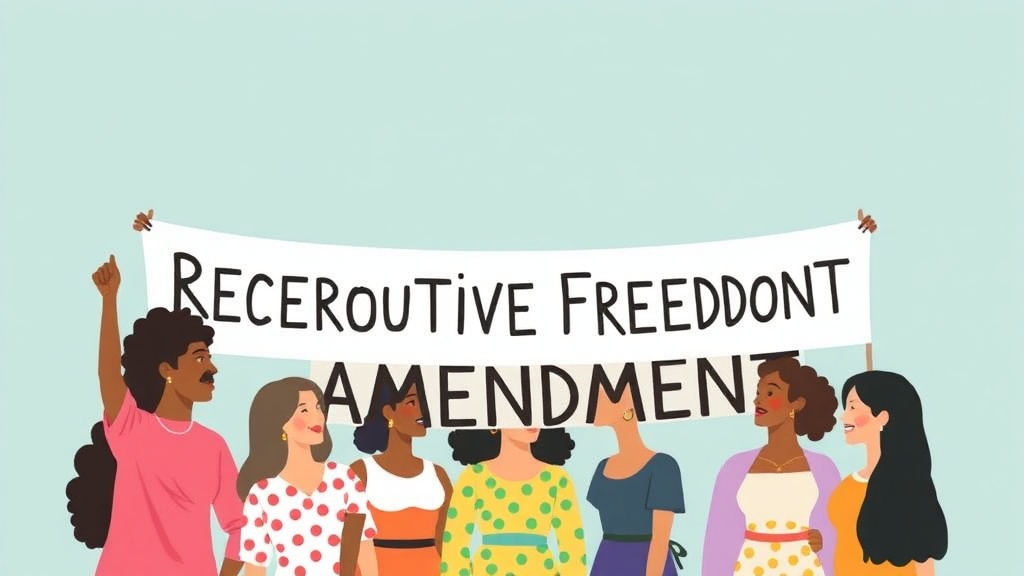
- Spread the word with a quick‑share graphic. Use the image below (download here) on Instagram, Twitter, or your community Slack. Tag local elected officials and add the hashtag #ReproFreedomNow.
- Contact your representatives. Call, email, or write a template letter demanding they co‑sponsor the amendment. How to Advocate for Reproductive Rights After the New Federal Act walks you through a script.
- Host a “Know Your Rights” pop‑up. Partner with a local mutual‑aid network (Start a Feminist Mutual Aid Network: Quick Guide) to distribute flyers and answer questions about the amendment.
- Track legislative progress. Sign up for alerts from H.R.12 — Women’s Health Protection Act of 2025 and the amendment’s docket on GovTrack. Knowing the timeline helps you time your actions.
- Donate to organizations on the front lines. Groups like Planned Parenthood and the Reproductive Freedom for All are already mobilizing. Even a $10 contribution fuels legal defense and community education.
What about the legal fine print?
The amendment’s language reads: “The right of every individual to make autonomous decisions regarding reproductive health shall not be infringed.” Courts will interpret what “autonomous decisions” cover—so we need to stay vigilant. That’s why Reproductive Rights Are Human Rights Act of 2025: What It Means for You is still worth reading.
Where can you find deeper analysis?
If you want a more granular breakdown of the amendment’s clauses, check out the official bill text and the Lawfare analysis. They dive into judicial precedents that could shape enforcement.
Takeaway: Your activism matters now
This amendment is a historic win, but it’s only the first step. By amplifying the message, pressuring legislators, and supporting on‑the‑ground networks, you turn a legal victory into lived freedom. Real talk: the fight isn’t over—just leveled up.
Got questions or need a script? Drop a comment below or DM me on Twitter @MayaKulkarni. Let’s keep the momentum moving.